Dispute Boards: fast solutions during project execution
Dispute boards—also known as dispute resolution committees—are an effective mechanism for preventing and resolving disputes during the execution of a construction project, whether public or private.
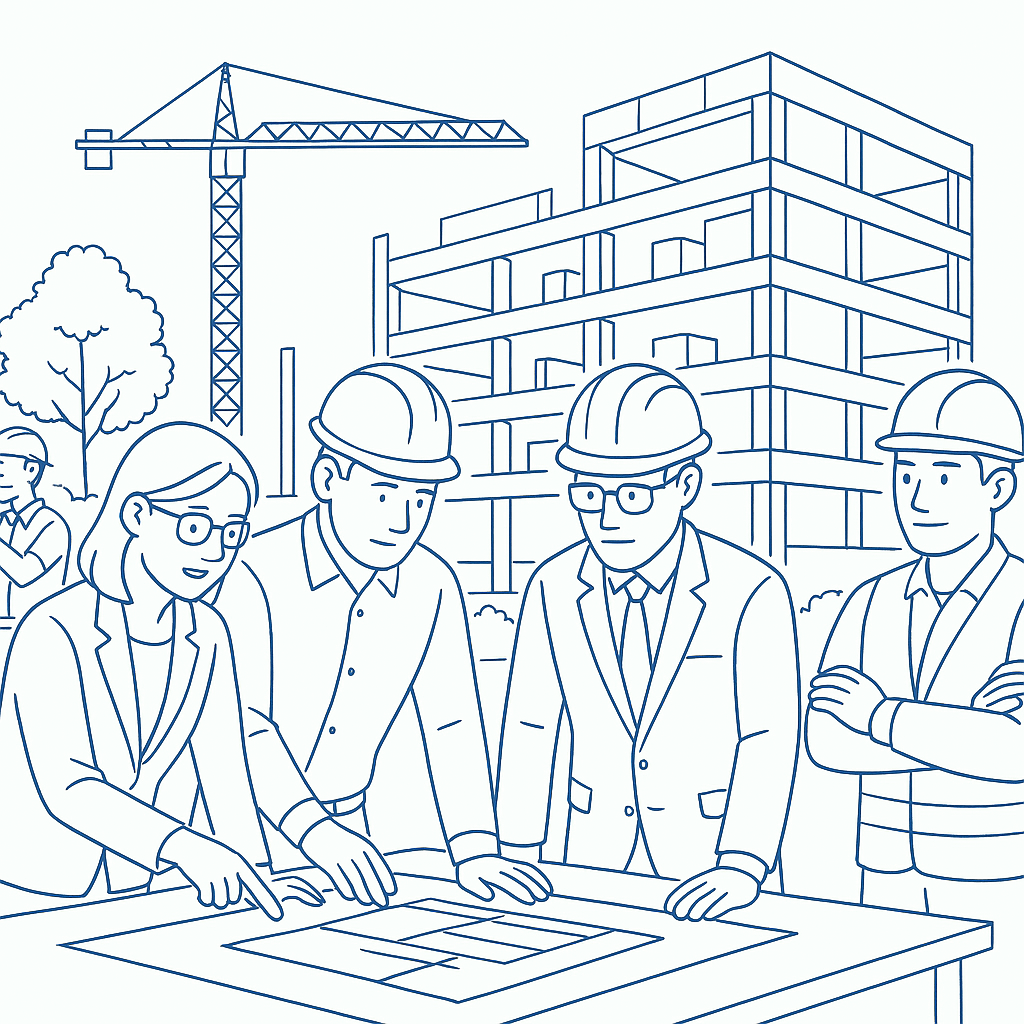
The parties appoint between one and three neutral experts (adjudicators or a committee) who oversee the project from the outset, stepping in as soon as disagreements arise through informal assistance and issuing decisions where disputes persist.
Who are the members of the Committee?
Specialized adjudicators, contracted by the parties.
Professionals with experience in construction, architecture, engineering and other technical disciplines.
All are members of the CRC's official roster.
Advantages of engaging an adjudicator or a Dispute Board
They know the project from the beginning and understand its dynamics.
They respond quickly and technically when conflicts arise.
Dispute Boards — also known as Dispute Resolution Committees — are an effective mechanism to prevent and resolve differences during the execution of a project, whether public or private.
They promote joint work and maintain healthy professional relationships.
They are adapted to the specific needs of each contract.
The parties engage a Dispute Board through the CRC before commencing construction
Used in complex projects with several professionals involved.
Applicable for major works, such as infrastructure projects, real estate and commercial developments.
Dispute Boards have one to three adjudicators, who may be lawyers, engineers, or architects.
The adjudicators issue written recommendations to prevent or resolve disagreements between the parties.